
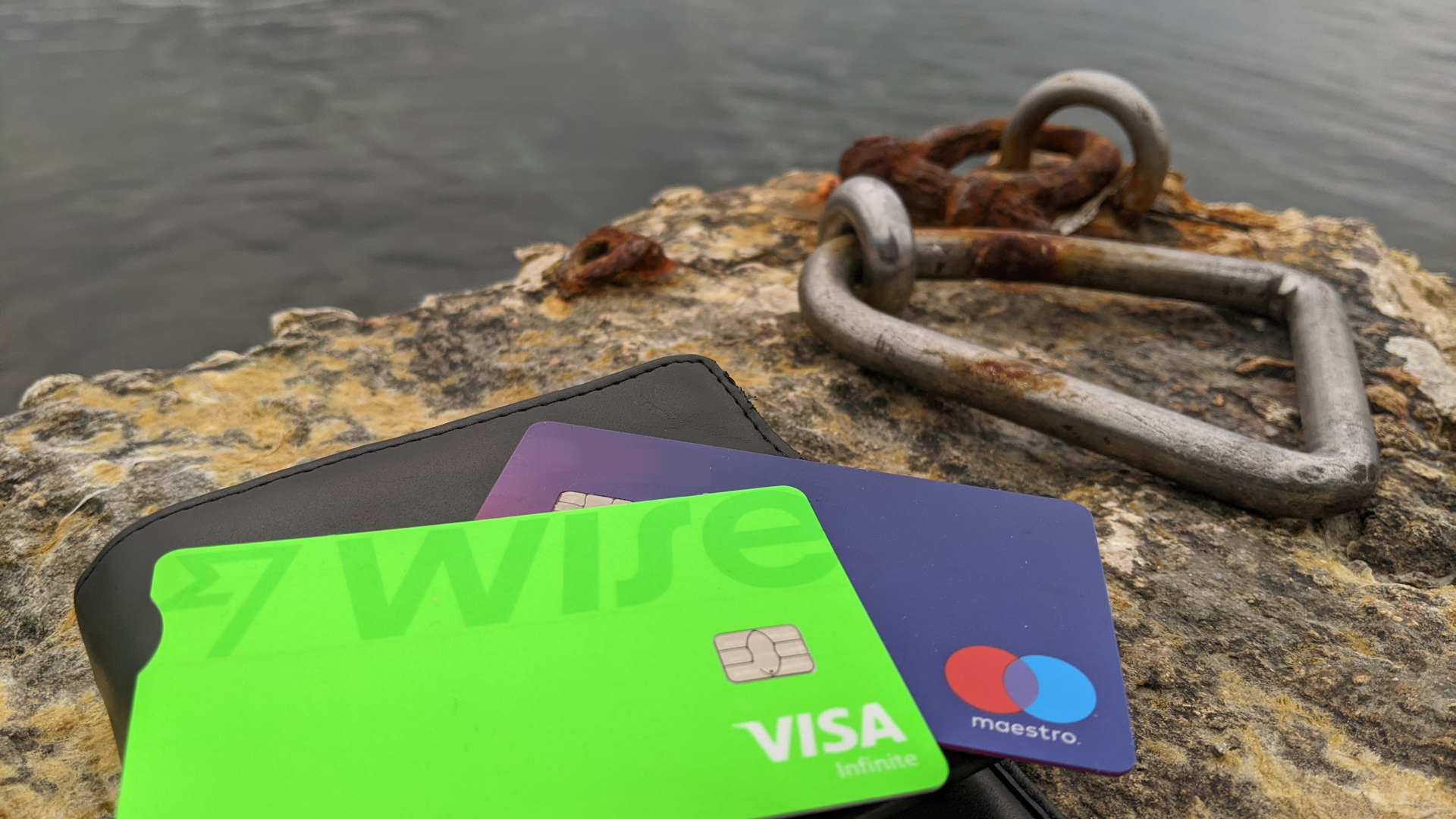
How to pay in shops in Europe on your next trip: why you no longer need a Maestro card
 By Martijn
Updated for 2026, 2027 and beyond... this article used to tell you how to get a Maestro card for Europe. Good news: you no longer need one. Here's what changed, and the card you should actually carry now.
Table of Contents
- The most annoying thing that can happen on your trip to Europe
- What happened to Maestro?
- The new problem: your bank's fees
- My go-to solution for years (and now even more): the Wise card
- Where card payments can still trip you up in 2026
- Do you need a special card for Europe in 2026? No! You just need a cheap one
The most annoying thing that can happen on your trip to Europe
The most annoying thing that can happen on your trip to Europe is standing at a supermarket (self-service) checkout with a basket full of groceries, only to have your card declined. Not because you have no money but because your card wasn't the right type.
For years, that was a real risk. In countries like the Netherlands, Germany and Belgium, many shops only accepted Maestro cards and overseas Mastercard or Visa cards were refused outright. Albert Heijn supermarkets, train station ticket machines, cheese shops, bottle shops, it used to be Maestro or nothing.
Fortunately that is now a thing of the past. If you're travelling to Europe in 2026, 2027 or beyond, you don't need a Maestro card. You probably can't even get one any more. Maestro has left the building. This is what happened and what you’ll need to have in your wallet from now on...
What happened to Maestro?
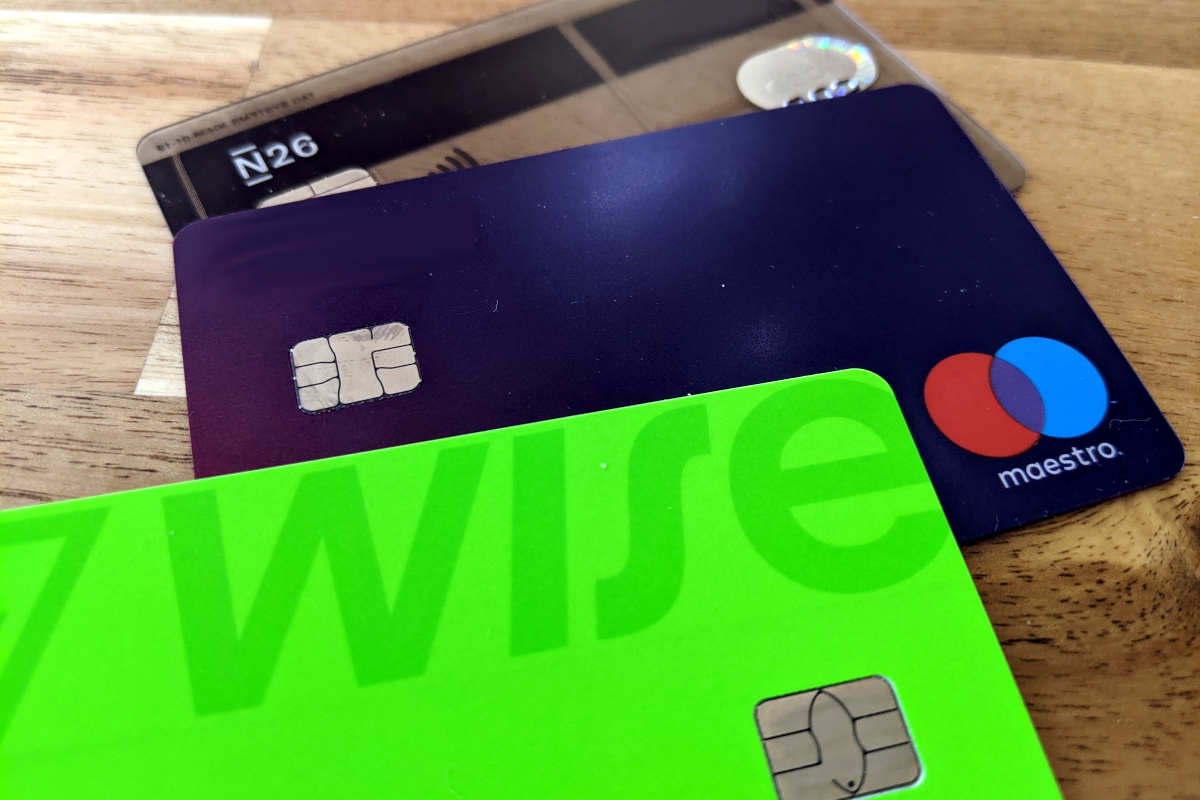
Maestro was Mastercard's debit brand, which was the ultimate standard card in large parts of Europe for years. However, it was announced several years ago that Maestro (and Visa's equivalent, V-PAY) would be phased out. Bye bye Maestro.
And that phase-out is now more or less complete. Lots of European banks have been replacing their customers' Maestro cards with Mastercard Debit or Visa Debit cards. Payment terminals across Europe have been updated to accept these cards. In the Netherlands - the last big holdout - banks are swapping out all 30 million Maestro/V PAY cards, with some banks finishing their roll-out in 2026 and the whole country done by around 2028.
So what does that mean for you as a traveller? Every terminal that used to say "Maestro only" now accepts regular Mastercard and Visa debit cards. The acceptance problem is solved.
But don’t get too excited just yet! It doesn't mean your local bank's card is a good travel card. The problem of finding the best payment card for travel hasn't disappeared, it simply has moved.
The new problem: your bank's fees
This is what will actually annoy you in Europe in 2026: not rejection at the till, but the fees that quietly pile up when you pay with your everyday local bank card.
- Foreign transaction fees: many banks charge 2–3% on every purchase abroad
- Lousy exchange rates: a mark-up on the mid-market rate, on top of the fee
- ATM fees: both from your bank and from the ATM operator
- Dynamic currency conversion (DCC) traps: "Would you like to pay in your home currency?" No, thank you! Always say no and pay in Euros. Choosing your own currency means a terrible exchange rate, every single time.
A two-week trip with daily card payments can easily cost you $50 to $100 in avoidable fees. So the real question in 2026 is no longer "will my card be accepted?" but "what's the cheapest card to pay with?"
My go-to solution for years (and now even more): the Wise card
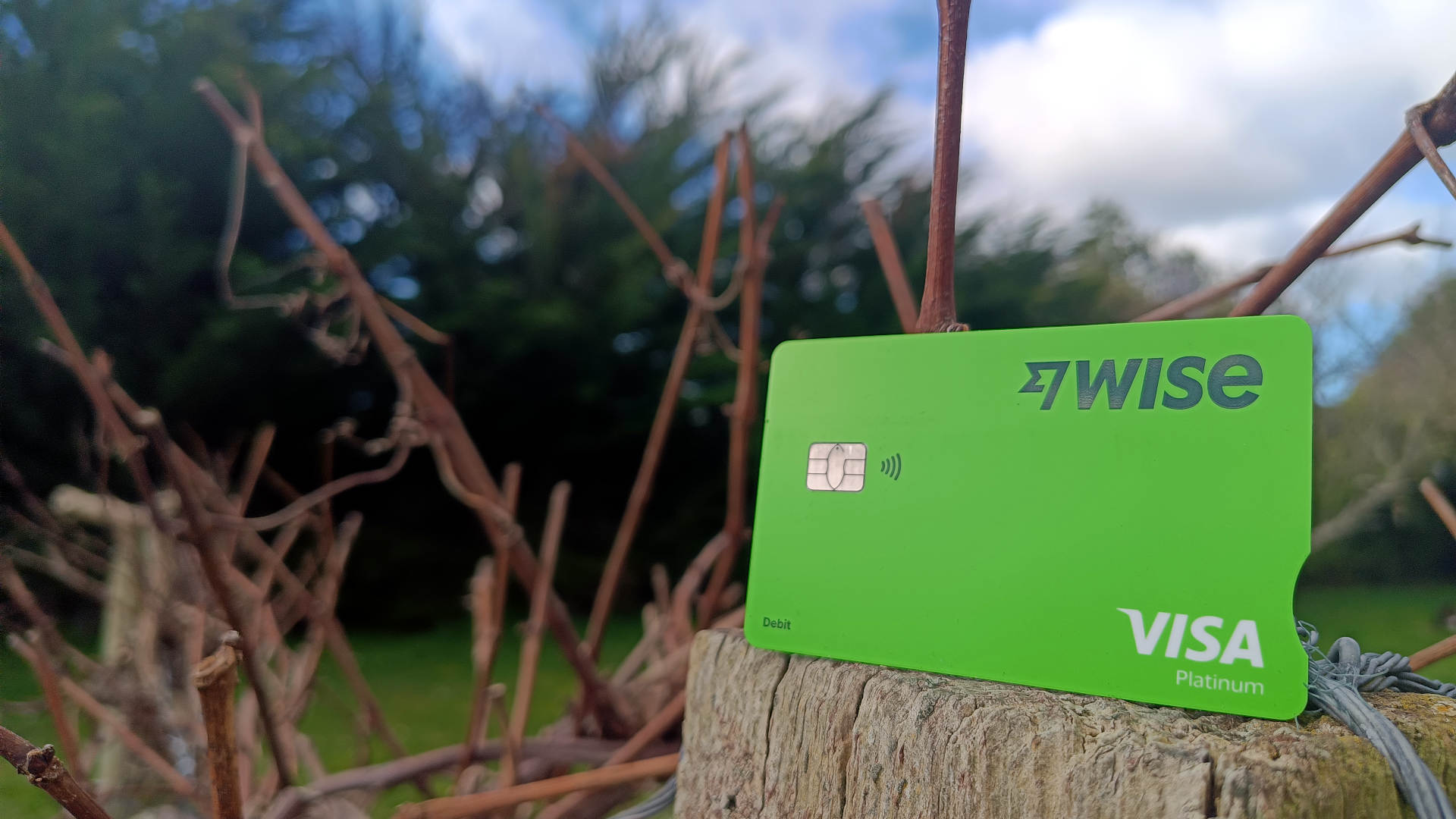
As Wise fanboy and user of their debit card for years, this is the exciting part of this updated and thus new blog post... Wise (formerly TransferWise) is still my go-to payment solution for travelling and it's perfect for travel in Europe in 2026 or 2027. I used to have a separate Maestro card for my trips to Europe but that one has been kicked out of my wallet and it’s 100% Wise card for the win in Europe.
You might have seen my other blog post about the Wise card... But if you haven’t, a short & sweet recap. These are the main reasons to open a free Wise account for your trip to Europe:
- It's free to open an account and you can order a physical debit card (small fee for sending a physical card applies in some regions)
- You get local bank account details for Europe, the UK, the US, Australia, New Zealand and more which is great if you need to receive money from abroad
- Hold and exchange 40+ currencies in the app, at the real mid-market exchange rate
- Convert money when the rate is good and hold Euros ready for your trip
- The Wise debit card (Visa or Mastercard, depending on your region) works everywhere in Europe now that Maestro is gone, including those formerly picky Dutch supermarkets and train ticket machines
- Add the card to digital wallets like Apple Pay or Google Pay and pay with your phone
- Every payment triggers an instant notification in the app, so you'll spot anything odd immediately Freeze the card instantly from the app if it's lost or stolen and unfreeze it just as fast if it turns up in your other jacket
Where card payments can still trip you up in 2026
Even with the Maestro problem solved, Europe still has a few quirks worth knowing as a future Europe traveller:
- Germany still loves cash. You might occasionally hear the words “nur Bargeld” (cash only) when paying in Germany. In Germany plenty of bakeries, smaller restaurants and Christmas market stalls are cash-only or have a minimum spend. So keep some Euros on you.
- Train ticket machines. The big stations and airports now accept foreign cards almost everywhere, but occasionally a machine at a smaller station is still fussy.
- Always decline currency conversion. When a terminal asks whether to charge you in Euros or your home currency, choose Euros, always.
- Pack a backup card. Wise as your main card, plus your regular bank card or credit card as backup, is the combo we travel with. Two cards, one in your wallet and one hidden away. Better safe than sorry.

Do you need a special card for Europe in 2026? No! You just need a cheap one
The old advice was: get a Maestro card or you can't pay. The new advice is much simpler: any Mastercard or Visa debit card will be accepted almost everywhere in Europe so make it one that doesn't charge crazy fees and exchange rates.
For me and for most travellers, that's the Wise card, not just for short Europe trips but also if you're settling in for longer. Set up your Wise card before you fly, top it up with Euros, add it to your phone's wallet, and you're ready to pay anywhere from buying snacks like a "saucijcenbroodje" (sausage roll) at an Albert Heijn or HEMA in Amsterdam to a Weißbier-fuelled beer garden in Munich.
Happy travels and easy, friction-free paying.




Comments